

Organic vs conventional cotton: what is the difference?
Breaking down the main differences to help people make more informed decisions on cotton: organic or conventional?
Not all cotton is the same: what are the differences between organic and conventional cotton?
In a conversation about sustainable fashion, cotton must be there, as it is one of the world’s most widely used natural fibres, and it’s considered one of the most fertiliser-intensive crops, particularly when grown conventionally. In fact, not all cotton is grown the same way: farming practices and local conditions drive most of the environmental footprint.
Multiple scientific studies in recent years confirm that organic cotton has, on average, a lower environmental impact than conventional cotton, varying depending on the geographical area, farming method, and indicators considered.
In this article, we break down the main differences to help consumers and brands make more informed decisions. Here is where organic cotton differentiates from conventional cotton:
-
Use of Pesticides and Impact on Soil Health
-
Greenhouse Gas Emissions
-
Water Use
-
Water Pollution
-
Biodiversity and Soil Resilience
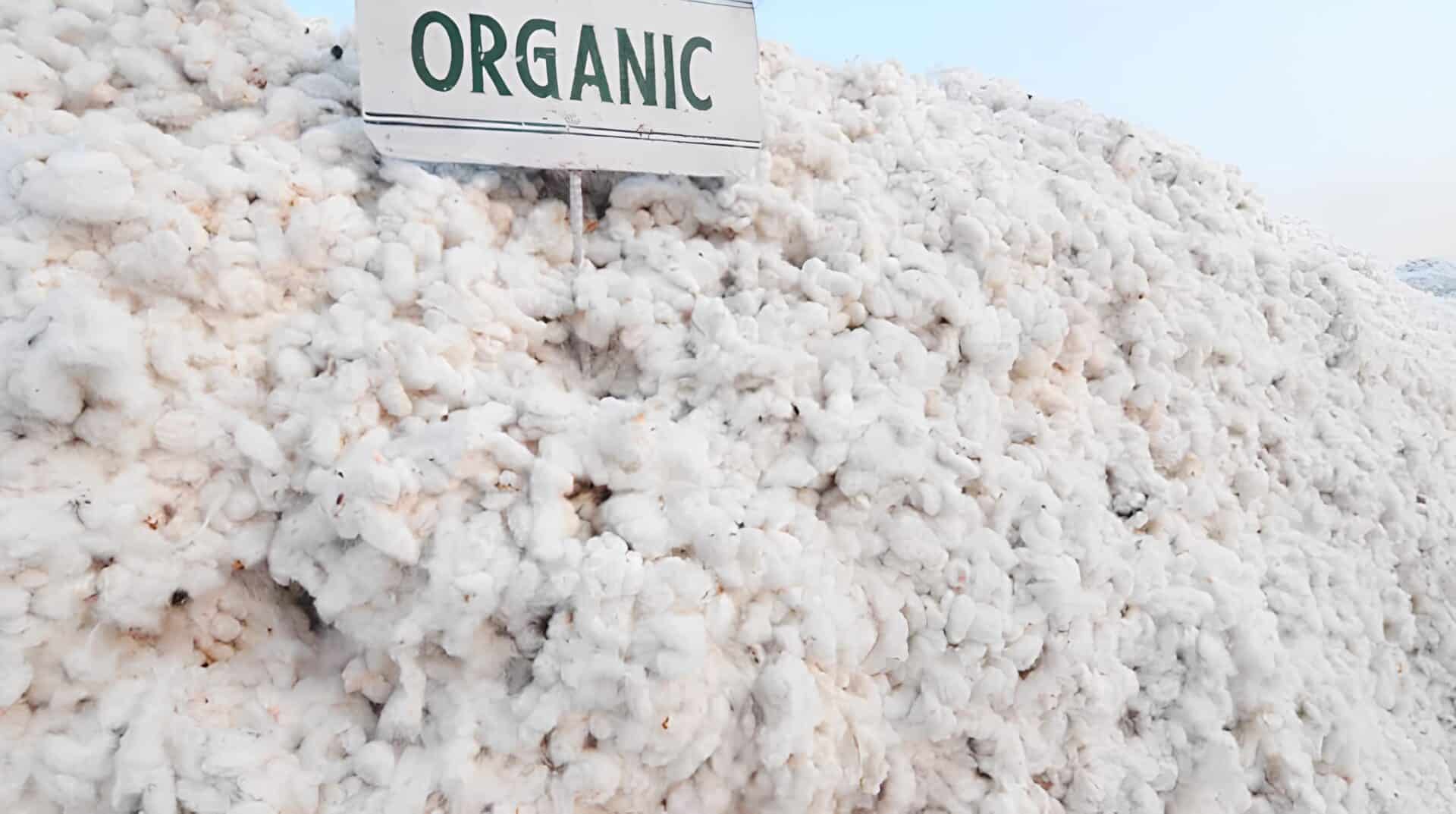
But first of all, what does 'Organic' actually mean?
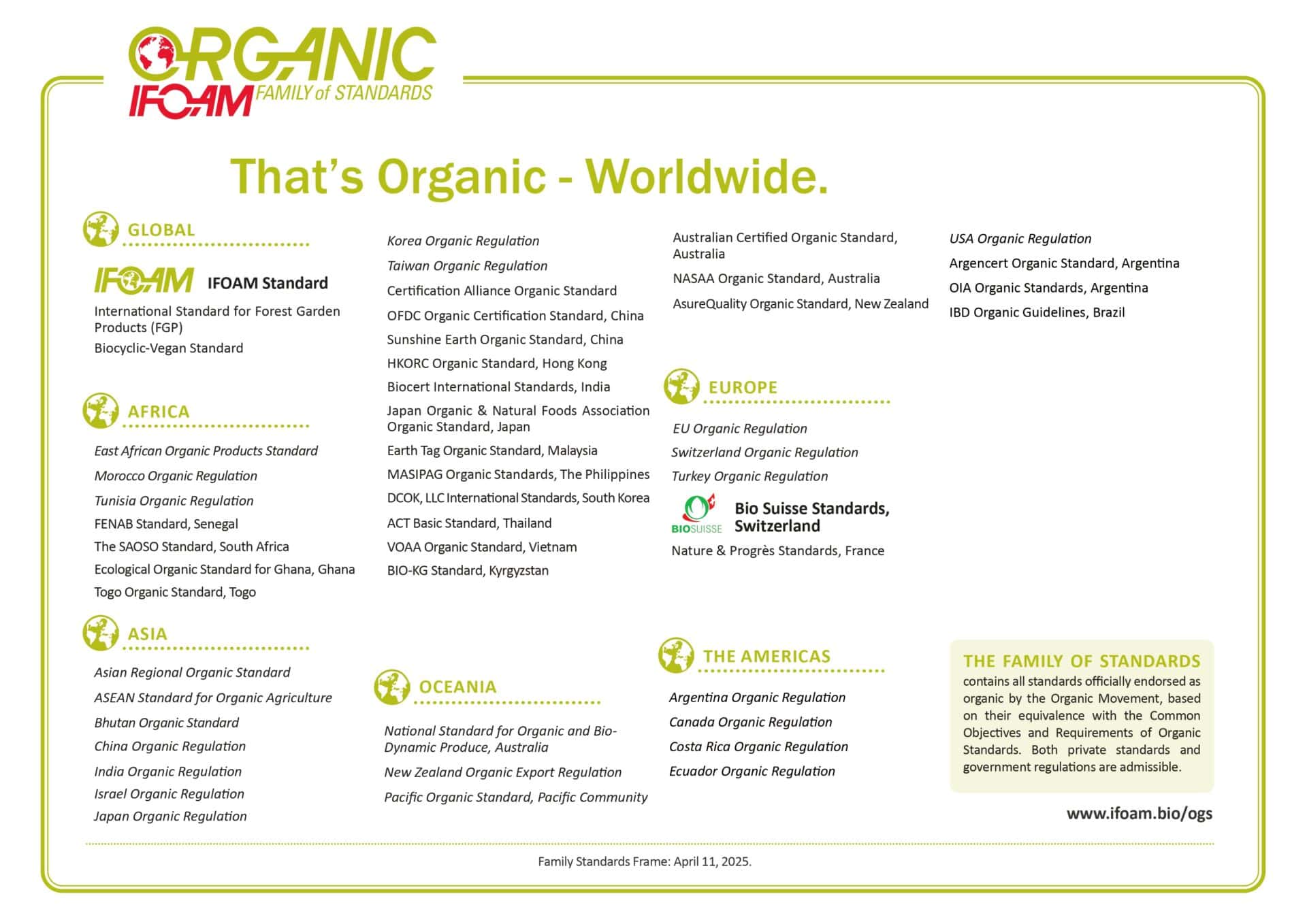
“Organic Agriculture is a production system that sustains the health of soils, ecosystems, and people. It relies on ecological processes, biodiversity and cycles adapted to local conditions, rather than the use of inputs with adverse effects. Organic Agriculture combines tradition, innovation, and science to benefit the shared environment and promote fair relationships and good quality of life for all involved.” – IFOAM General Assembly, 2008
In simple terms, this is how it works: IFOAM defines what “organic” means globally. Then, national authorities – like USDA Organic in the U.S., EU Organic in Europe, APEDA in India, and JAS in Japan – turn these principles into enforceable rules. Finally, certifications such as GOTS (Global Organic Textile Standard) and OCS (Organic Content Standard) help consumers and brands recognize products that follow these standards, giving confidence that the cotton is truly organic.
1. Organic Cotton vs Conventional: Use of Pesticides and Impact on Soil Health
Conventional cotton commonly uses synthetic fertilizers and pesticides. Although it takes up only around 2.5% of the world’s cultivated land, it consumes roughly 16% of all insecticides used globally. Every year, it’s estimated that over 200,000 tons of pesticides and about 8 million tons of synthetic fertilisers are used in conventional cotton farming.
These substances:
-
Degrade the soil, reducing its fertility over time
-
Disrupt local ecosystems and biodiversity
-
Pose serious health risks to farm workers who are exposed to toxic chemicals daily
On the other hand, organic cotton is grown without the use of synthetic pesticides or fertilisers. Instead, farmers rely on natural compost, crop rotation, and beneficial insects to protect the crops and enrich the soil. As a result, the land remains fertile for longer and supports a wider variety of life.
2. Organic Cotton vs Conventional: Greenhouse Gas Emissions
Conventional cotton farming has a significant carbon footprint, with recent studies estimating between 0.9 and 2.0 tons of CO₂ equivalent emissions per ton of cotton produced, largely due to the intensive use of synthetic fertilizers and energy in processes. Multiple studies indicate that organic cotton farming can achieve GHG emissions reductions ranging from 40% to 46%, with variation by region and practice.
Organic farming methods help reduce greenhouse gas emissions by:
-
Avoiding energy-intensive synthetic fertilisers
-
Enhancing soil carbon sequestration through healthier soil practices
-
Using practices such as crop rotations, green manures, composting, shallow tillage
3. Organic Cotton vs Conventional: Water Use
Cotton is a notoriously water-hungry crop. Much of the cotton grown globally relies on artificial irrigation, which puts serious pressure on freshwater supplies, especially in areas already facing water scarcity. Organic cotton generally uses much less water, because it’s often grown in rain-fed areas and because healthy, organic soil retains moisture better. In some cases, organic farming has been shown to reduce water use by up to 90% compared to conventional cotton.
4. Organic Cotton vs Conventional: Water Pollution
Conventional cotton farming relies heavily on synthetic pesticides and fertilizers, which often runoff into rivers and groundwater, contaminating aquatic ecosystems and drinking water sources. This runoff contributes to a large grey water footprint, which is the volume of freshwater required to dilute pollutants to safe levels. For example, field comparisons in India found conventional cotton’s grey-water footprint was on average 4–18 times higher than organic, primarily due to synthetic pesticide and nutrient loads.
Organic cotton, by avoiding synthetic chemicals, dramatically reduces this risk. Studies show that organic cotton can reduce the grey water footprint by up to 91% compared to conventional cotton, with variations influenced by specific agricultural practices and weather conditions.
5. Organic Cotton vs Conventional: Biodiversity and Soil Resilience
Conventional monoculture cotton farming depletes the land and leaves it more vulnerable to pests and disease. In contrast, organic cotton farming encourages biodiversity through crop rotation, natural pest control, and soil regeneration. Healthy soils – rich in organic matter – are generally more resilient to droughts and extreme weather, which is increasingly important in a changing climate.
Organic Cotton vs Conventional: Yield Differences and Environmental Benefits Explained
Organic cotton can deliver lower yields than conventional – commonly 10–30% depending on climate, pest pressure, and management – though the gap varies and can narrow with diversified rotations and best practices. However, when you zoom out across soil, water, climate and people, organic cotton generally shows lower blue-water use, lower pesticide-related water pollution, and lower GHG emissions, alongside stronger on-farm biodiversity – benefits that are most pronounced in water-stressed regions and input-intensive systems.
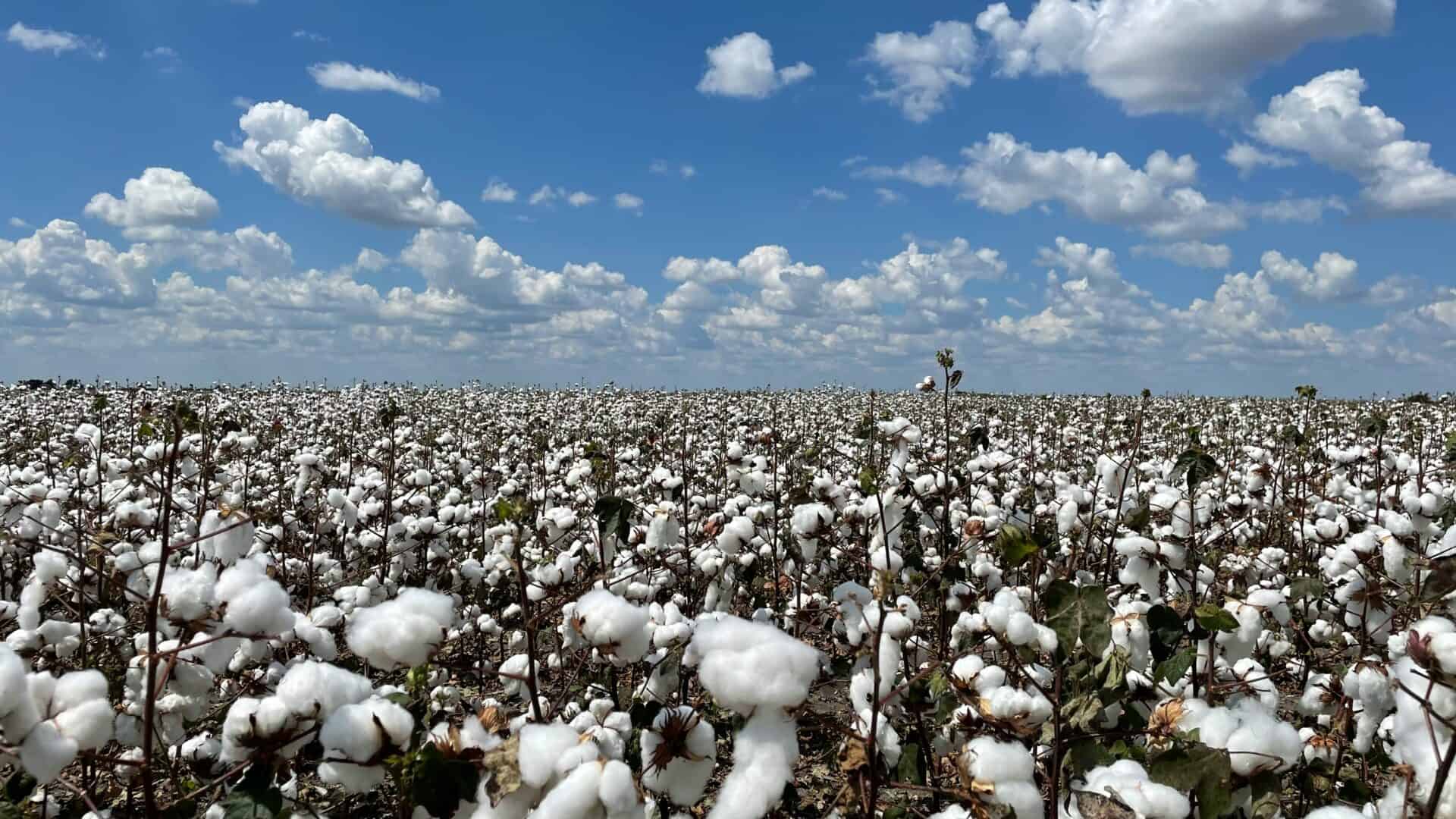
At the beginning of the 1970s, we started processing cotton in our territory, by applying all our know how and experience on wool to this valuable and beautiful fibre, exploring unusual weaves, dyeing tecniques and finishing processes to create one of a kind looks and handfeels.
After decades in the fashion world, in 2018, we have created the Manteco Academy project, through which we give webinars, in-person lessons and workshops on eco-design, circular economy and sustainability to numerous fashion schools, technical universities and brands worldwide. Thanks to this educative commitment and our heritage, we are often invited as guest speaker at events, panels, podcasts and conferences about sustainable fashion and circular economy.
More articles from the blog
MantecoItalian premium textiles and circularity since 1943
A one-of-a-kind family business: today Manteco produces more than eight million meters of high-quality fabrics and exports them all over the world.
Manteco has become a synonym for top quality, Made in Italy fabrics and a guarantee of sustainability, circular economy, transparency and traceability. This is why more and more brands are choosing our materials and putting our labels and tags on their final garments.