

What is modular fashion: circular design in a linear Industry
Learn how modular garments are made and the key benefits they offer for a more sustainable fashion.
Why could modular fashion be the key to a more responsible industry and conscious consumer culture?
As the industry grapples with the challenges of overproduction and underutilization, modular design offers a bold reimagination of how clothing can be made, worn, repaired, and repurposed, a systems-level rethink aligned with circular economy principles and the future of sustainable design. As people move toward more conscious choices, flexible wardrobes, and clothes that last, fashion is starting to change. Modular design doesn’t just follow this shift, but it’s already one step ahead, building adaptability and function right into how garments are made.
In this blog we explore:
-
What is modular fashion?
-
What is the history of modular fashion?
-
What is the system behind modular garments?
-
What are 5 Key benefits of modular design?
What Is Modular Fashion?
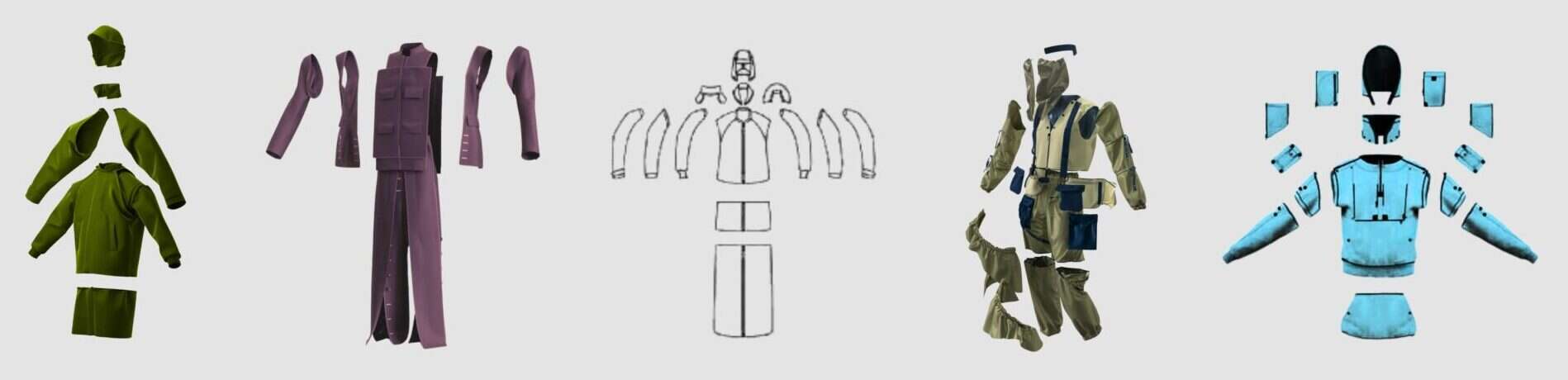
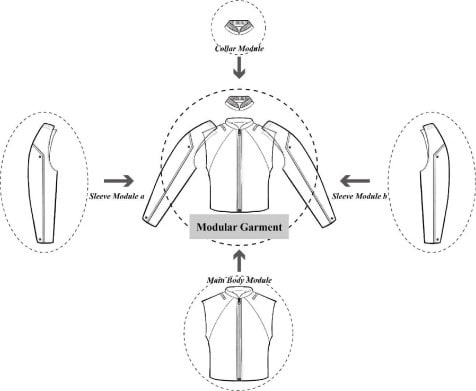
At its core, modular fashion refers to garments designed with interchangeable, detachable, or reconfigurable components. Unlike traditional fashion, where clothing is constructed as static, complete pieces, modular design embraces adaptability.
Components such as sleeves, hoods, panels, or pockets can be attached, removed, or swapped to create multiple styles from a single base garment.
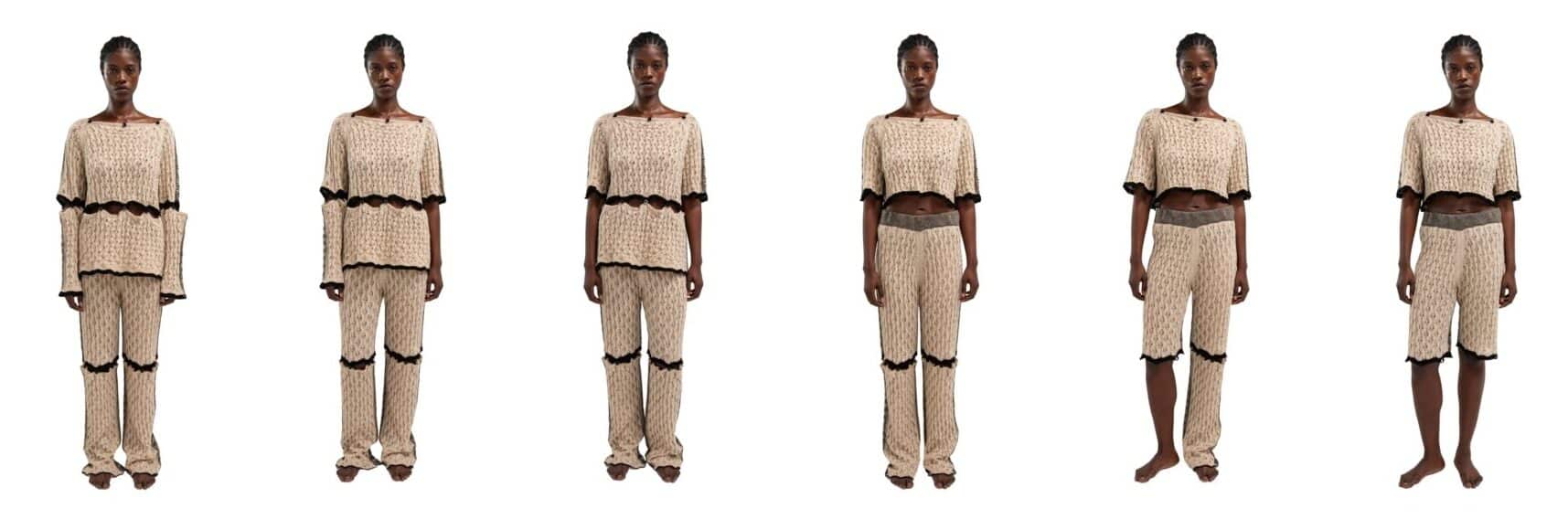
Modularity enables a user to build multiple looks and functionalities from fewer pieces, blurring the lines between designer and wearer.
What is the history of modular fashion?
Though often framed as a contemporary innovation, modular fashion has its origins in the mid-20th century, when the pressures of modern life began to reshape how people dressed. As urbanization intensified and global travel became more accessible, the demand for garments that could transition across settings – professional, casual, or formal—grew rapidly. Clothing needed to be as mobile and flexible as the lives it accompanied.
Designers such as Rudi Gernreich and André Courrèges were among the first to experiment with modular elements: interchangeable sleeves, detachable panels, garments that could be worn in multiple configurations. These weren’t just stylistic novelties, they reflected a deeper shift toward minimalism, efficiency, and a rejection of excess.
In the 1990s and early 2000s, the rise of fast fashion temporarily overshadowed such ideas, promoting low-cost, disposable garments at the expense of quality and sustainability. But in response, modular fashion quietly reemerged, this time as a critique of overconsumption and as a practical solution for extending a garment’s life and versatility.
Innovations by designers like Issey Miyake, with his A-POC project, and more recent labels such as Byborre and Ides, show how modularity now intersects with technology, sustainability, and user empowerment, inviting interaction and customization.
What is the system behind modular garments? and how are they engineered?
So how is modularity physically built into clothing? A blend of hardware innovation and design foresight enables these dynamic transformations, such as
-
Zippers and Invisible Zips: For detachable sleeves, hoods, and pant legs.
-
Snaps and Magnetic Closures: Allow quick configuration without damaging fabric integrity.
-
Loop Systems, Buttons, and Velcro: Used in tactical gear and children’s wear for intuitive reassembly.
-
Custom Engineered Fasteners: As explored in the Agathon design journal, innovations like textile-based fasteners and modular seams are expanding the aesthetics and ease of use.
While these mechanisms may seem purely functional, they also contribute to the garment’s visual identity. Zippers and hardware are often integrated as stylistic accents, particularly in techwear and futurist fashion, creating garments that are as expressive as they are modular.
What are the 5 key benefits of modular fashion systems
Nr. 1
Personalized Styling on Demand
Modular garments empower the wearer to customize their outfit based on mood, function, or occasion. A base dress may become sleeveless for a summer day, then gain puff sleeves and a turtleneck for evening elegance. This approach cultivates emotional attachment to garments, reducing the desire for disposable trends.
Nr. 2
All-Season Versatility
Designs that accommodate layering, detachable insulation, or weather-specific accessories make garments suitable for multiple seasons. A single modular coat can shift from a lightweight windbreaker to a winter parka - eliminating the need for multiple, single-purpose outerwear items.
Nr. 3
Extended Use and Lifecycle
According to recent research in the Journal of Cleaner Production (2024), garments with modular potential can double their useful lifespan. Modular wardrobes reduce fashion churn, discourage impulsive shopping, and facilitate thoughtful consumption—a direct challenge to fast fashion's acceleration model.
Nr. 4
Enhanced Functionality and Practicality
Modular systems can increase the utility of garments through integrated techwear components, convertible shapes, and adaptable silhouettes. From tactical vests with attachable compartments to dresses that shift into skirts and blouses, the possibilities are both aesthetic and utilitarian.
Nr. 5
Ease of Repair and Upcycling
One of the biggest sustainability hurdles is the difficulty of repairing composite garments. Modular clothing solves this elegantly: damaged sections could be replaced without discarding the whole piece. This opens new pathways for consumer empowerment, DIY culture, and circular business models like resale and remanufacturing.
About Manteco, Italian premium textiles and circularity since 1943
After decades in the fashion world, in 2018, we have created the Manteco Academy project, through which we give webinars, in-person lessons and workshops on eco-design, circular economy and sustainability to numerous fashion schools, technical universities and brands worldwide. Thanks to this educative commitment and our heritage, we are often invited as guest speaker at events, panels, podcasts and conferences about sustainable fashion and circular economy.